Home » Travel Inspiration » Cruise Ports
From waterfront cities and island towns to fjords, beaches, and historic harbors, the right cruise port can become one of the most memorable parts of the trip.
Some ports place you steps from the experience. Others are gateways to destinations farther inland. Knowing the difference can completely change how you spend your time ashore.

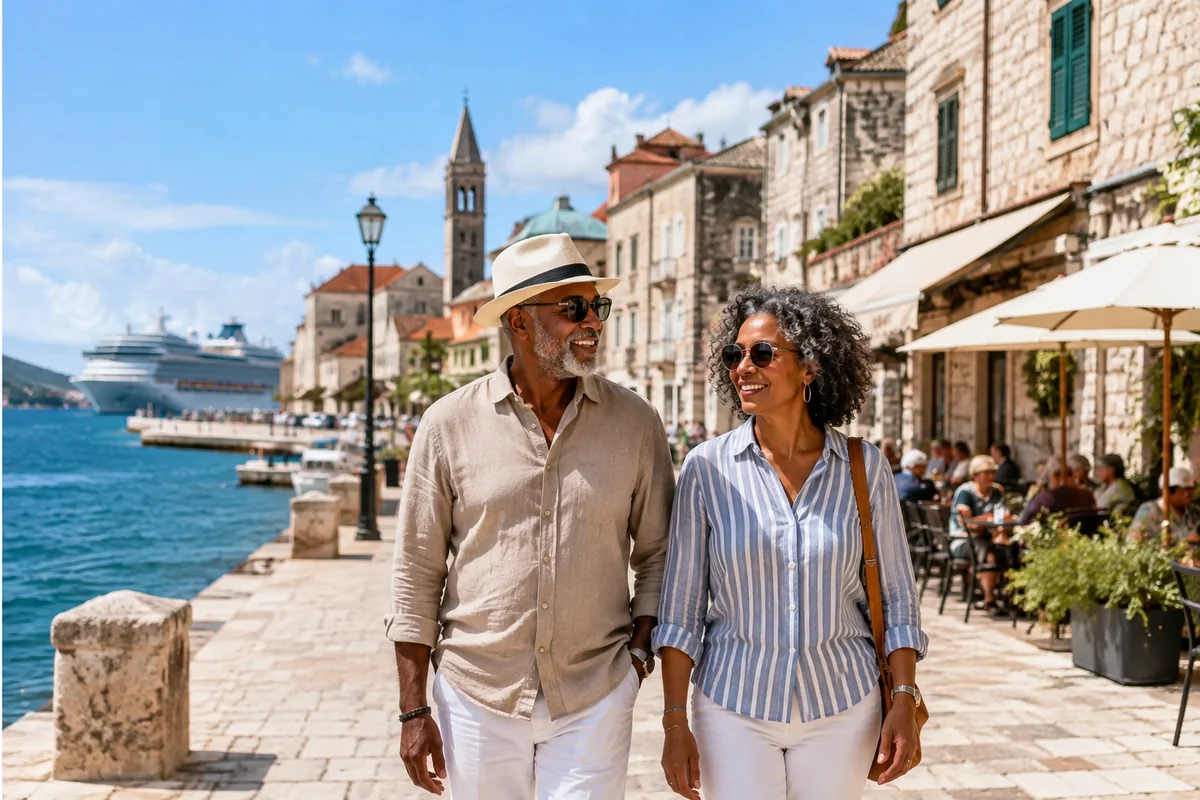
In some ports, historic streets, waterfront districts, restaurants, and major sights begin only minutes from the ship, making independent exploration easy.
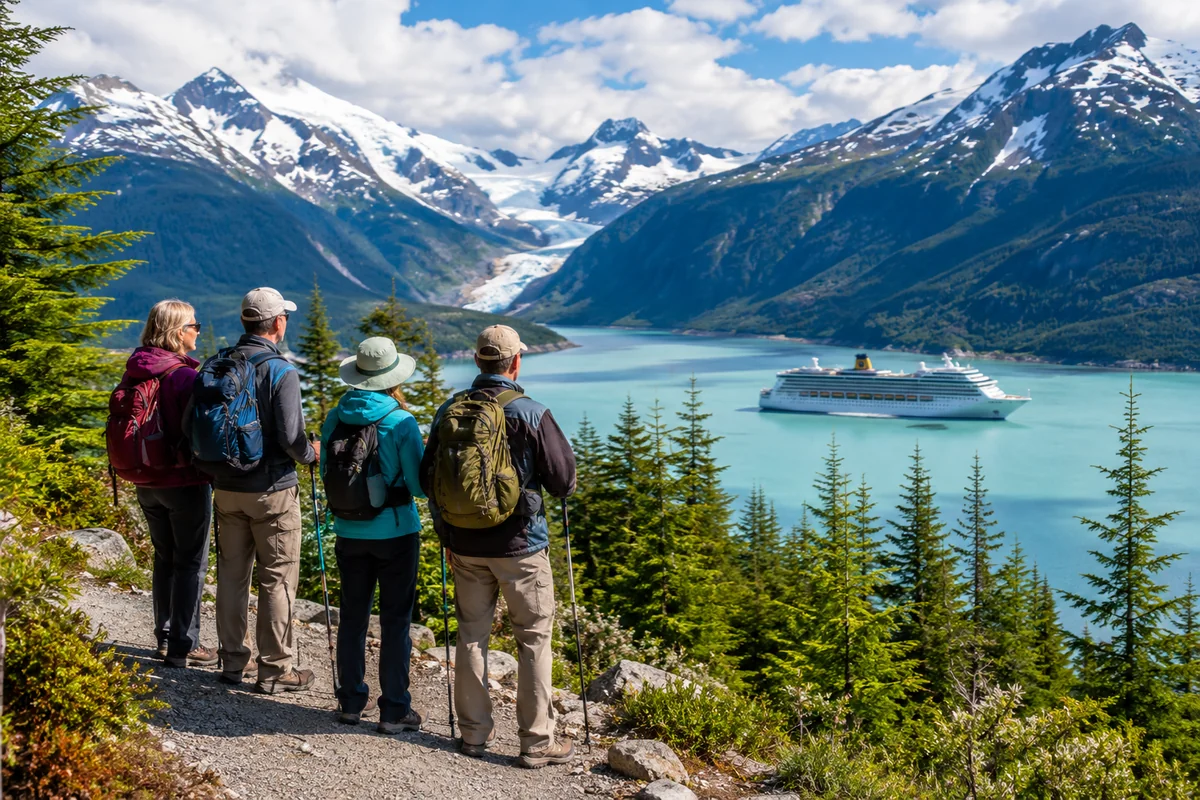
Other ports are starting points for experiences farther away, from scenic countryside and ancient sites to national parks, villages, and regional landmarks.
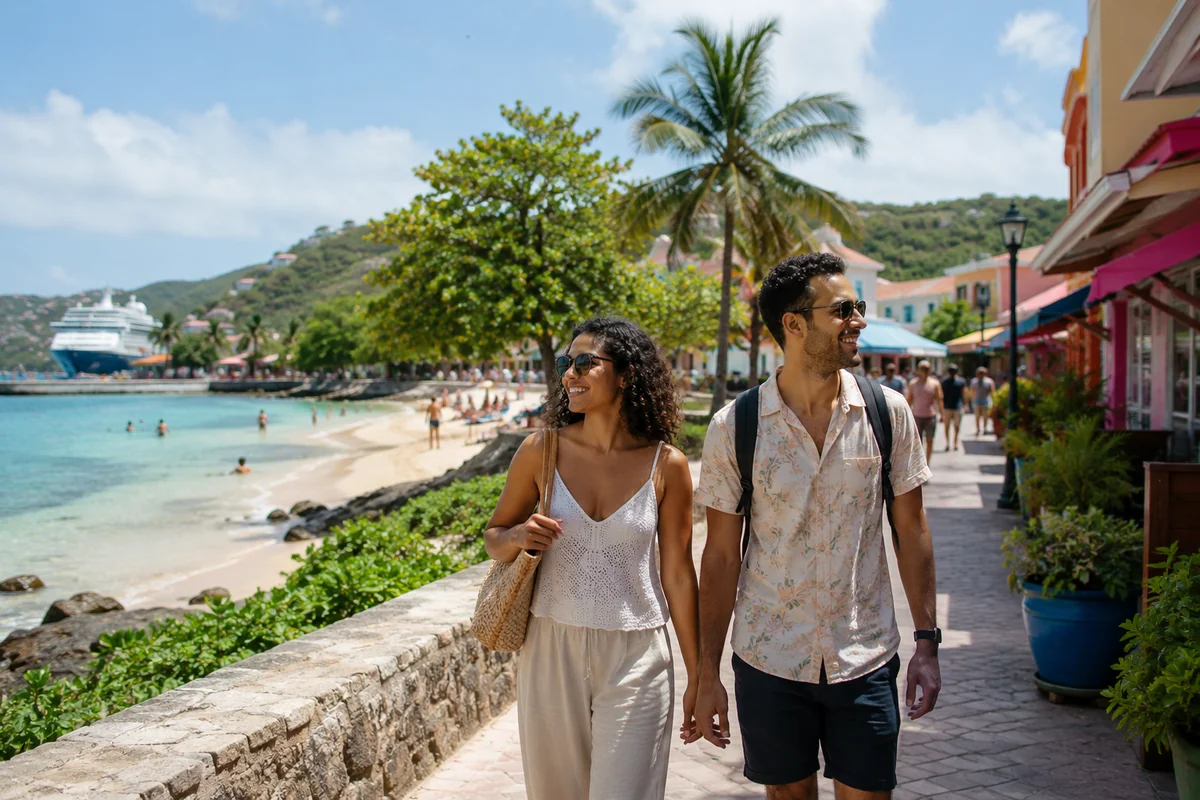
Island and coastal ports can turn a day ashore into beach time, snorkeling, local food, waterfront wandering, or simply slowing down somewhere beautiful.

Some embarkation and arrival cities deserve more than a few hours. Adding time before or after the cruise can turn the port into a destination of its own.
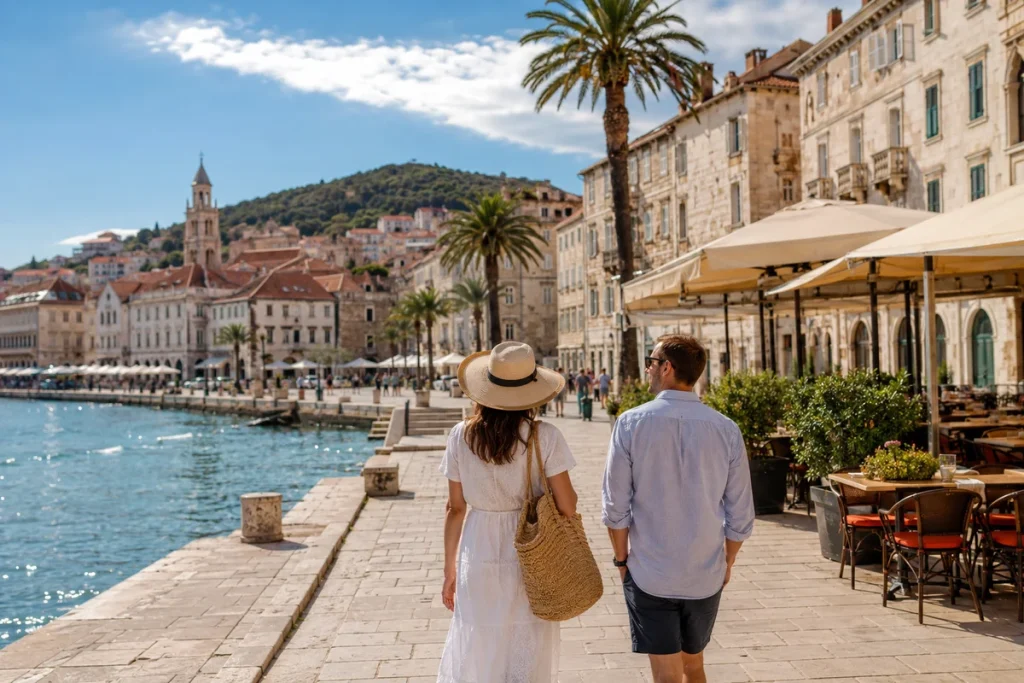
A cruise itinerary can feel completely different depending on where the ship stops. These six ports range from easy city exploration and island time to dramatic scenery, historic streets, and experiences that begin well beyond the pier.
Glaciers, mountains, wildlife, and wild coastal scenery make Juneau feel less like a city stop and more like a gateway into Alaska.
Architecture, markets, neighborhoods, and Mediterranean energy make Barcelona a port where a few hours ashore can easily turn into a longer stay.
Bright water, hillside views, beaches, and island atmosphere make this a port built around slowing down and getting outside.
Colorful waterfront buildings, steep mountains, and nearby fjords give Bergen a sense of drama before you even leave the harbor.
Ancient walls, narrow stone streets, and sweeping Adriatic views make Dubrovnik feel immediately historic and unmistakably coastal.
Reefs, turquoise water, beaches, and easy access to the island make Cozumel ideal for travelers who want the day to revolve around the Caribbean itself.
The best combination depends on what you want to experience once you step ashore - and how much of the destination you want to see.
One day may begin among centuries-old streets and the next beside turquoise water or dramatic mountains. That contrast is part of what makes exploring cruise ports so rewarding.
A harbor, skyline, waterfront, or hillside can tell you almost instantly that you have arrived somewhere completely different from the day before.
Ports can shift the trip from history to scenery, from cities to islands, or from busy streets to quiet coastlines without requiring a separate vacation for each.
A stop can introduce you to smaller coastal cities, islands, and regional destinations that may never have become the centerpiece of a traditional land trip.
The character of one port becomes more memorable when it sits beside something completely different, giving the itinerary variety from one day to the next.
The same number of hours can feel very different from one port to another. Location, access, timing, and the kind of experience you want all influence what is realistically possible during a day ashore.
Some ports place you near the heart of the city or waterfront, while others require a longer transfer before the experience really begins.
Some ships dock directly at the pier; others anchor offshore and use smaller boats to reach land, which can affect how quickly your port day gets underway.
Arrival and departure times matter. A long port day can open up more possibilities, while a shorter call may favor experiences closer to the ship.
Walkable ports can reward spontaneous exploration, while destinations farther inland may make more sense with organized transportation or a planned excursion.
A port can offer history, food, scenery, beaches, wildlife, shopping, or outdoor adventure. Knowing your priority helps narrow down how to spend the time.
Weather, daylight, crowds, and seasonal conditions can influence everything from outdoor activities to how much of the destination you can comfortably experience.
A few hours ashore can be enough to spark a much bigger idea. A city, island, meal, or cultural encounter discovered during a cruise may become somewhere you want to return to and experience more fully.
Ports throughout Europe can put historic neighborhoods, architecture, museums, cafés, and city life within reach - sometimes offering just enough of a place to make you want to come back.
An island stop may introduce you to a beach, coastline, or tropical setting that feels worth revisiting when you have more than a single day to enjoy it.
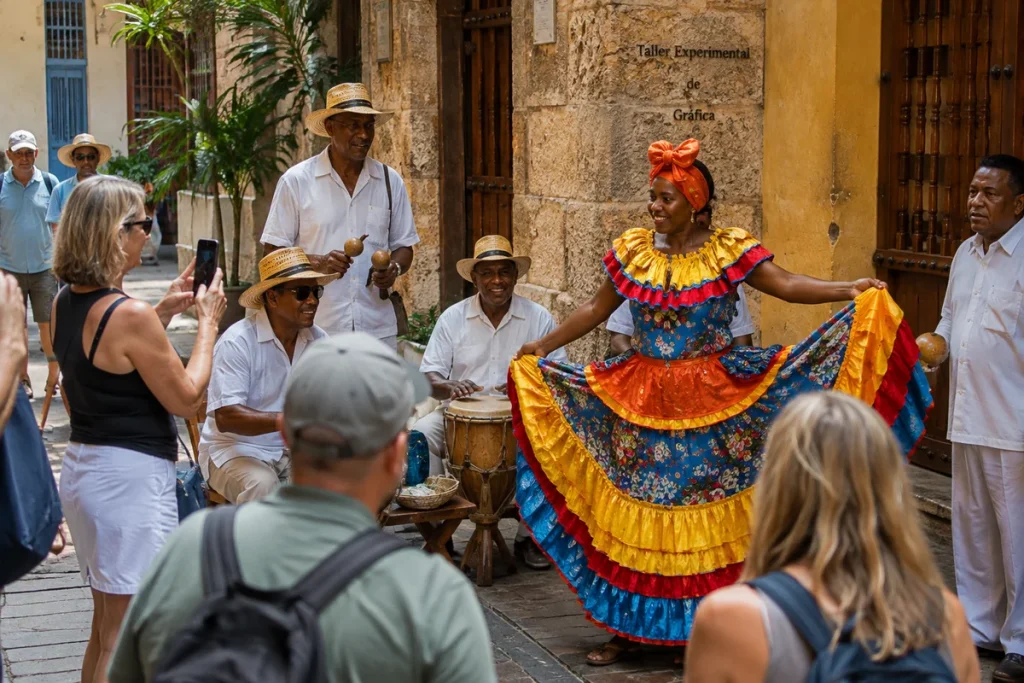
Historic districts, local traditions, museums, performances, and everyday encounters ashore can reveal a side of a destination that goes far beyond its harbor.
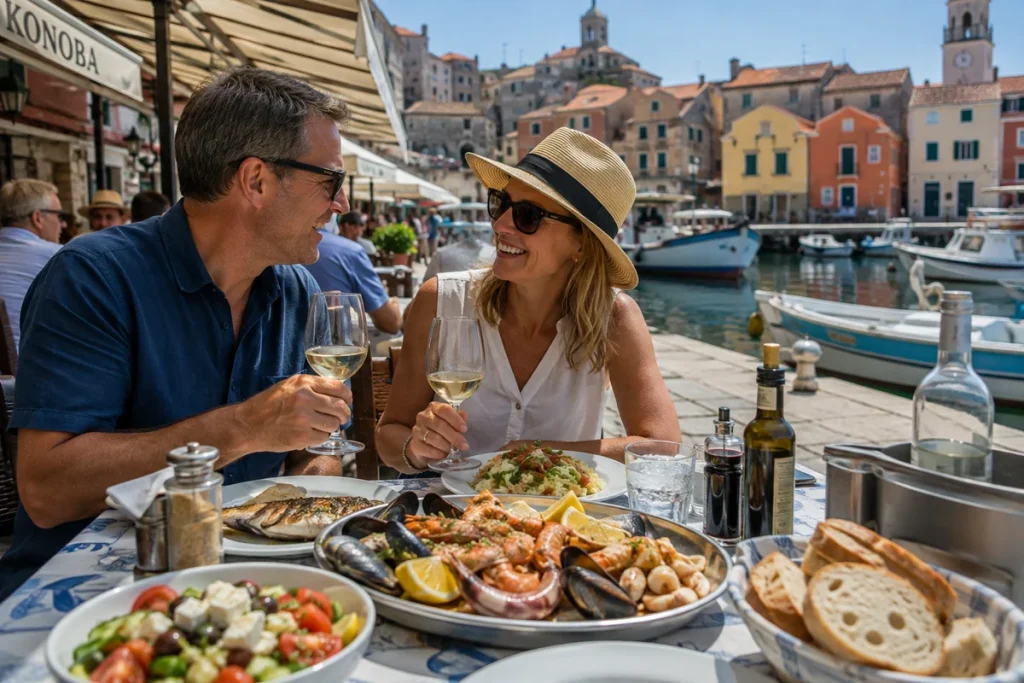
A market visit, regional specialty, waterfront café, or memorable local meal can become one of the quickest ways to connect with a port - and a reason to return.
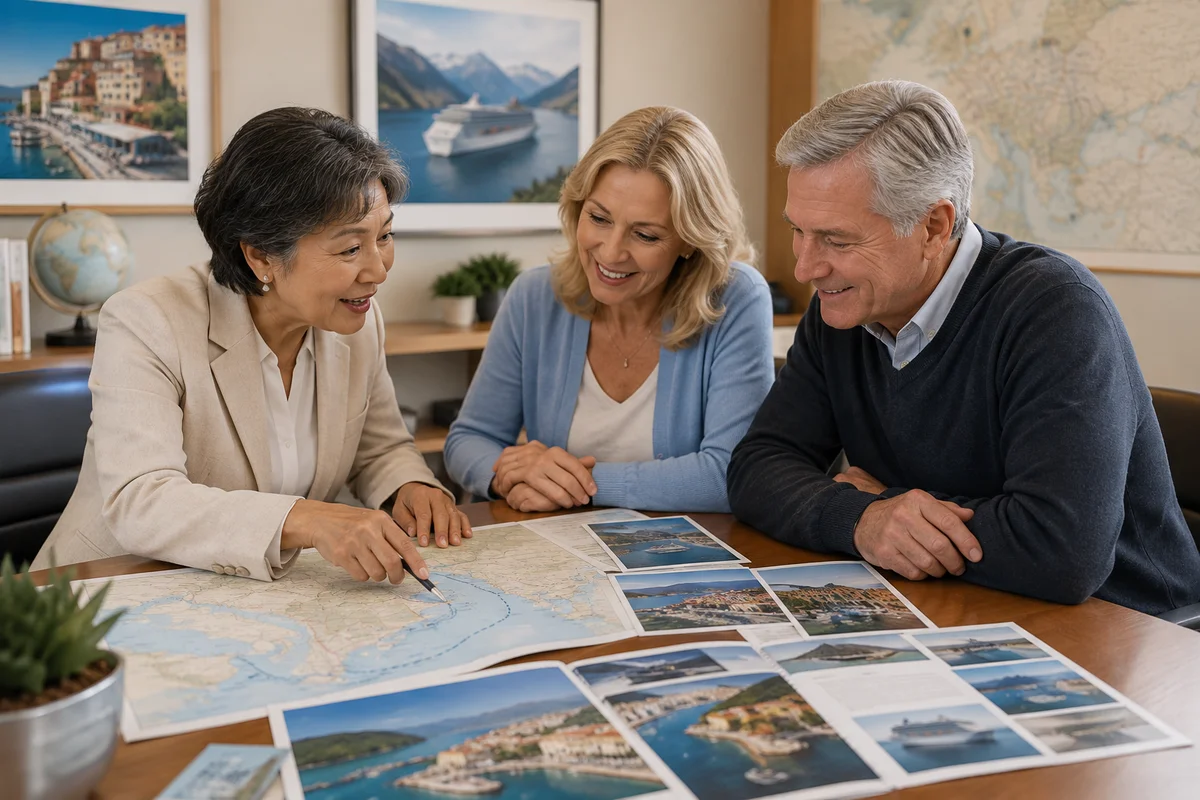
A to Z Travel Center can help you look beyond the port name and understand what each stop actually offers – how far the experience begins from the ship, what fits comfortably into the time available, and which ports deserve more than a few hours.
Cruise ports can vary dramatically in setting, access, pace, and what is available nearby. Some place you within walking distance of historic streets or waterfront districts, while others serve as gateways to beaches, scenic landscapes, cultural sites, or destinations farther inland.
Walkability depends on where the ship docks in relation to the destination. Some ports place travelers close to central neighborhoods, shops, restaurants, and major sights, while others require transportation before meaningful exploration can begin.
At a docked port, the ship is secured directly to a pier and passengers can walk ashore. At a tender port, the ship anchors offshore and smaller boats transport passengers between the ship and land, which can affect how quickly the day begins and ends.
That depends on the amount of time the ship is in port, how far attractions are from the pier, local transportation, crowds, and the type of experience you choose. A well-planned day usually focuses on a few worthwhile experiences rather than trying to see everything.
Independent exploration can work especially well in compact, walkable ports with attractions close to the ship. More distant destinations, limited port time, unfamiliar transportation, or experiences requiring advance arrangements may make a planned excursion more practical.
Different regions naturally offer different experiences. Caribbean ports often provide beaches and water activities, Alaska emphasizes scenery and wildlife, while Mediterranean and European ports frequently combine historic districts, architecture, food, and cultural attractions.
Absolutely. Cities such as Vancouver, Barcelona, Copenhagen, and other major embarkation points can offer enough to justify arriving early or staying after the cruise, turning the beginning or end of the sailing into another part of the vacation.
Yes. A to Z Travel Center can help compare itineraries based on the destinations you want to experience, the type of days you prefer ashore, port access, timing, and how the cruise fits with the rest of your vacation.