Home » Travel Inspiration » Cultural Experiences
History, traditions, art, architecture, and everyday local life can turn a trip into something far more meaningful than sightseeing alone.
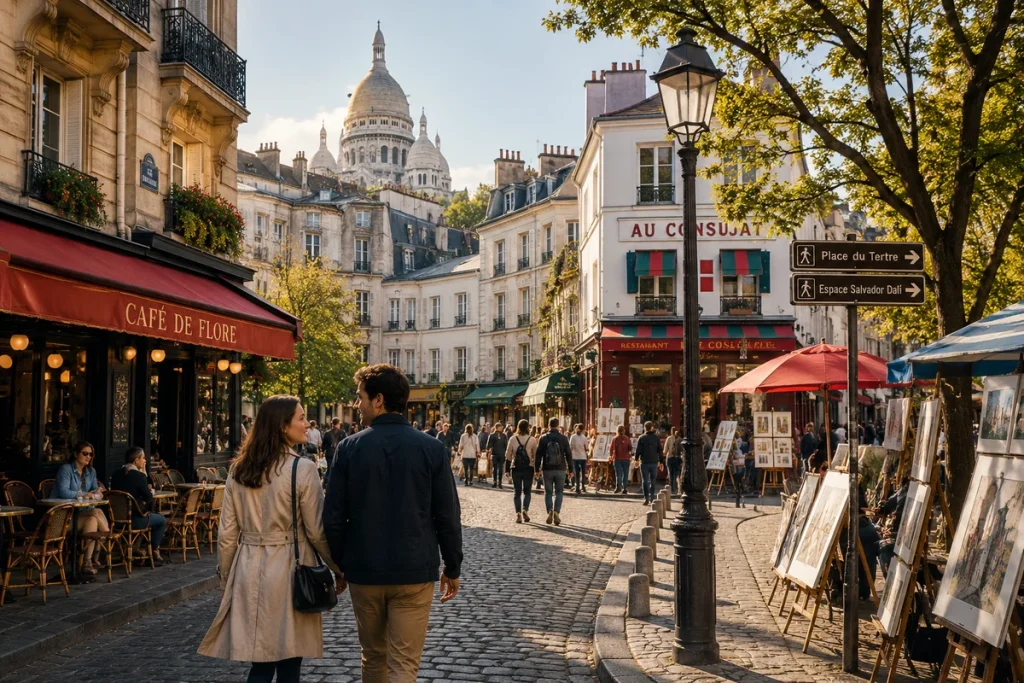
The character of a destination often comes through in the people, traditions, creative expression, and everyday life that shape it – not just in its famous landmarks.

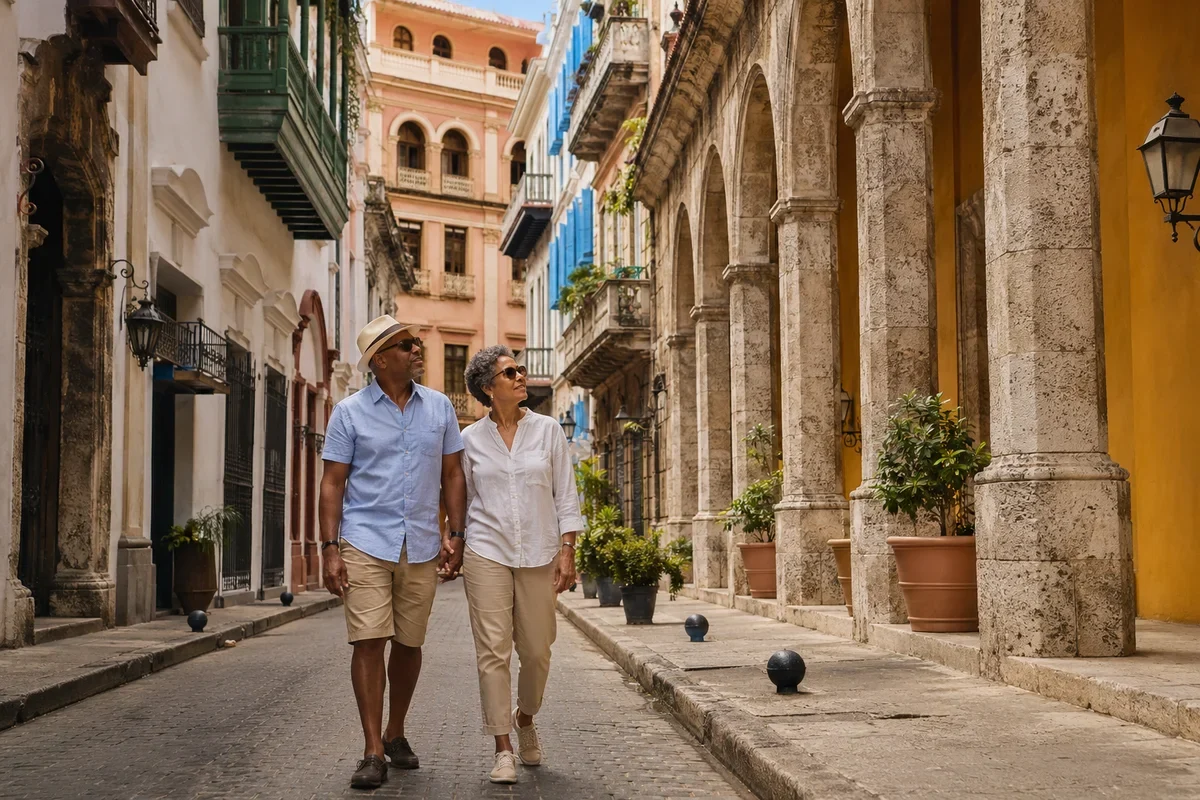
Historic neighborhoods, sacred sites, architecture, monuments, and heritage districts can reveal how a place developed and what shaped the people who live there.
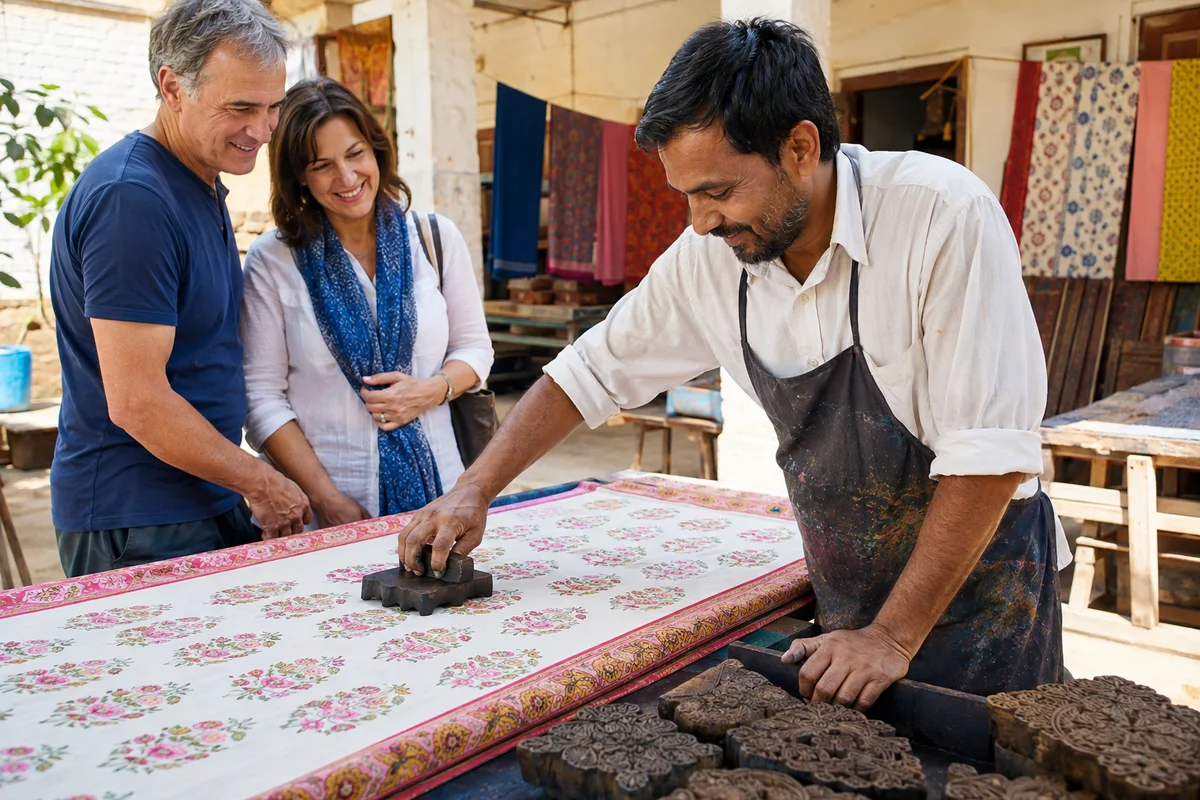
Craftsmanship, ceremonies, regional customs, and long-standing traditions can connect the past with the way communities continue to express their identity today.

Galleries, live music, dance, theater, and public performances offer another window into how a destination tells its stories and celebrates its culture.
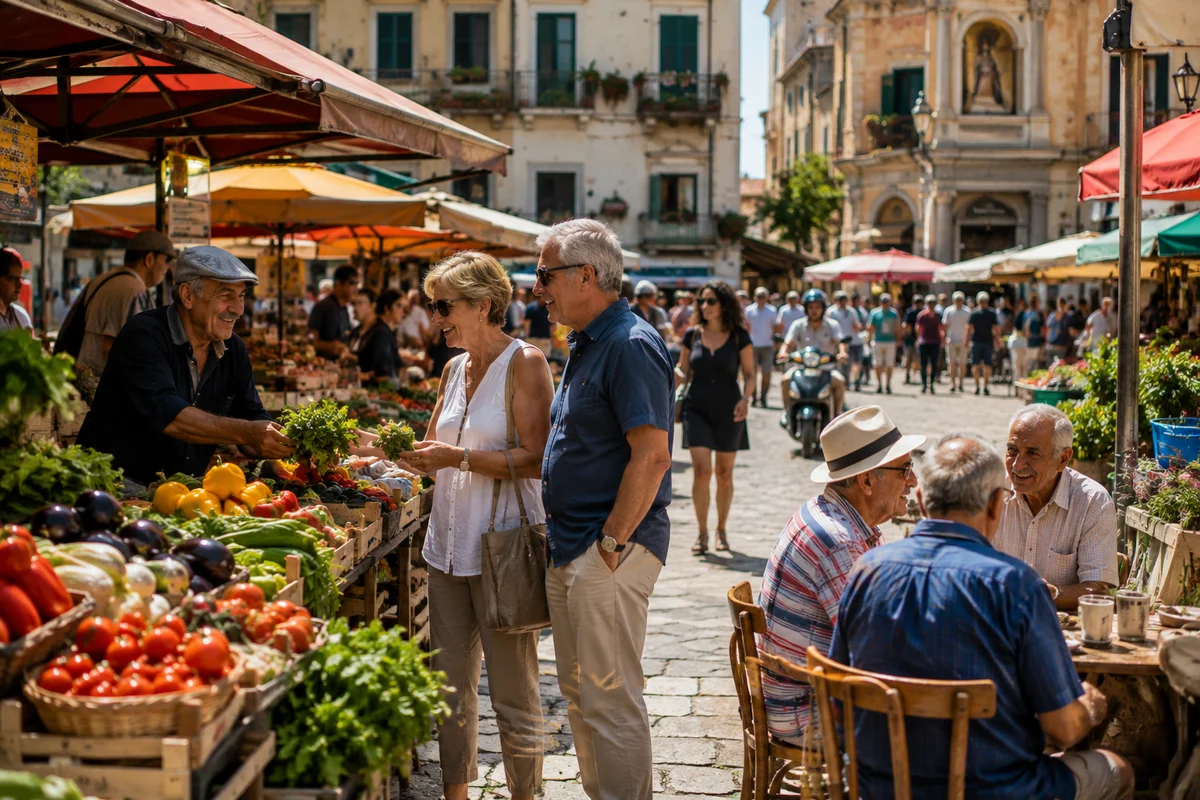
Markets, plazas, neighborhood cafés, public spaces, and ordinary routines can sometimes reveal as much about a place as its best-known attractions.
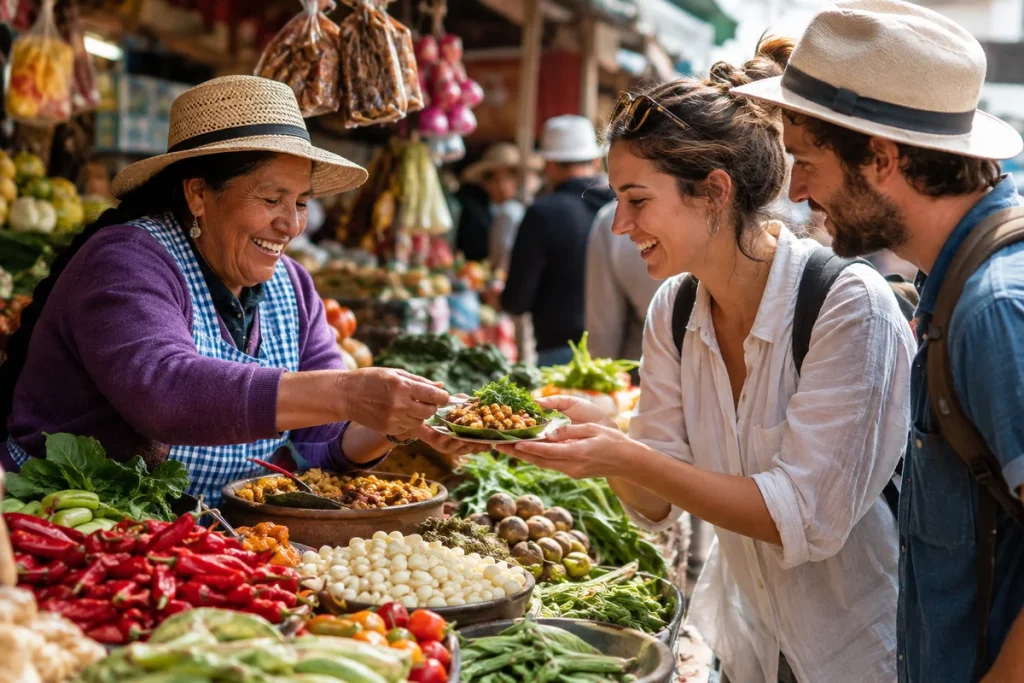
Cultural travel can mean very different things from one place to another. These experiences show how history, creativity, tradition, and everyday life can each reveal a different side of a destination.
Historic temples, seasonal rituals, traditional neighborhoods, and centuries-old customs offer a strong connection between Japan’s past and present.
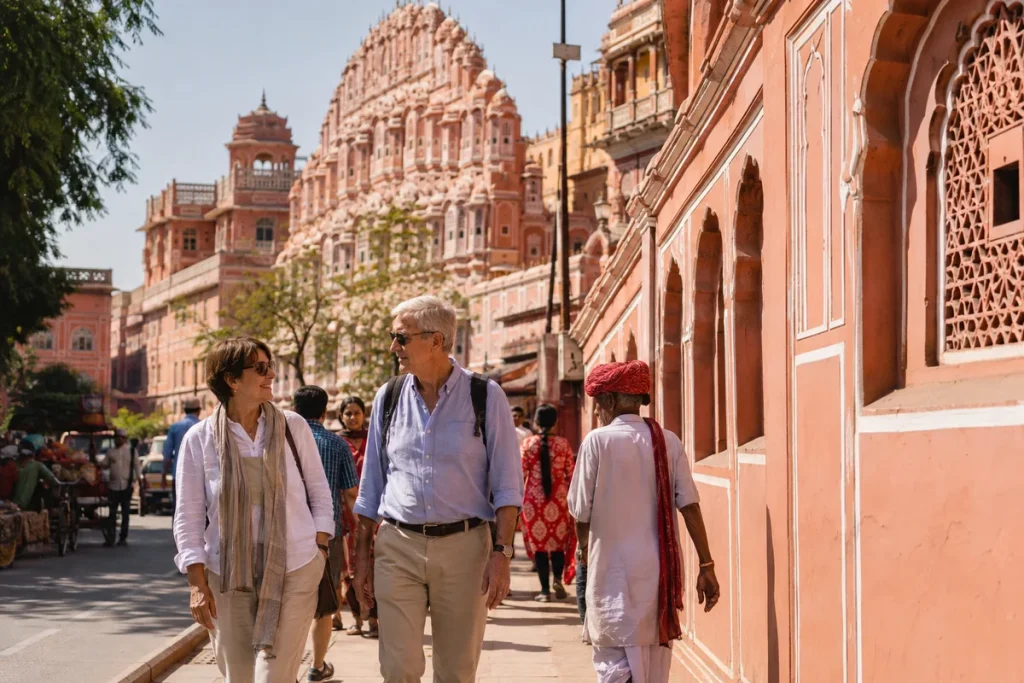
Markets, workshops, architecture, and generations of skilled craftsmanship create a cultural experience shaped by color, texture, and daily commerce.
Music, dance, and performance traditions bring regional identity to life in a way that can be felt as much as observed.
Local crafts, celebrations, historic neighborhoods, and long-standing regional customs make Oaxaca especially rich in cultural depth.
Historic districts, architecture, museums, and layers of Central European history create an experience where the past remains closely connected to the present.
Inca history, colonial architecture, regional traditions, and contemporary Andean culture come together in one of South America’s most distinctive cultural settings.
History, craftsmanship, performance, traditions, and everyday local life can all shape a trip differently.
A cultural experience becomes more memorable when it helps you understand not just what you are seeing, but why it matters, how it developed, and how it continues to shape life today.
Architecture, historic districts, sacred sites, and monuments become more meaningful when you understand the people, events, and ideas connected to them.
Traditional crafts and regional techniques can reveal how knowledge, creativity, and identity continue to be preserved and adapted.
Music, dance, theater, celebrations, and contemporary arts show that culture is not only about the past — it continues to evolve.
Neighborhoods, markets, public spaces, and ordinary routines help put famous sights into the context of the people who live around them.
The most rewarding cultural experiences often depend on timing, context, access, and expectations. A little preparation can make the difference between simply seeing something and actually understanding it.
Some places are powerful on their own; others make far more sense with historical background, interpretation, or a knowledgeable local perspective.
Popular museums, performances, workshops, heritage sites, and cultural venues may require timed entry, reservations, or advance booking.
Sacred sites, ceremonies, community spaces, and traditional settings may have expectations around dress, behavior, photography, or participation.
Festivals, religious observances, seasonal traditions, closed days, and local schedules can dramatically affect what is available and what the experience feels like.
Cultural experiences are often better when they are not rushed. Museums, historic districts, performances, and neighborhoods may deserve more time than a quick stop allows.
The strongest experiences provide meaningful cultural context without reducing communities, traditions, or people to entertainment created solely for visitors.
A deeper interest in a place often opens the door to other kinds of travel — from its cities and landscapes to its food, rail routes, and broader regional character.
Markets, regional specialties, cooking traditions, and local dining can reveal another side of a destination’s culture and everyday life.
Historic neighborhoods, architecture, museums, public squares, and centuries of layered history make many European cities especially rewarding for culture-minded travelers.
Look beyond a single region with places around the world shaped by distinct histories, traditions, communities, landscapes, and ways of life.
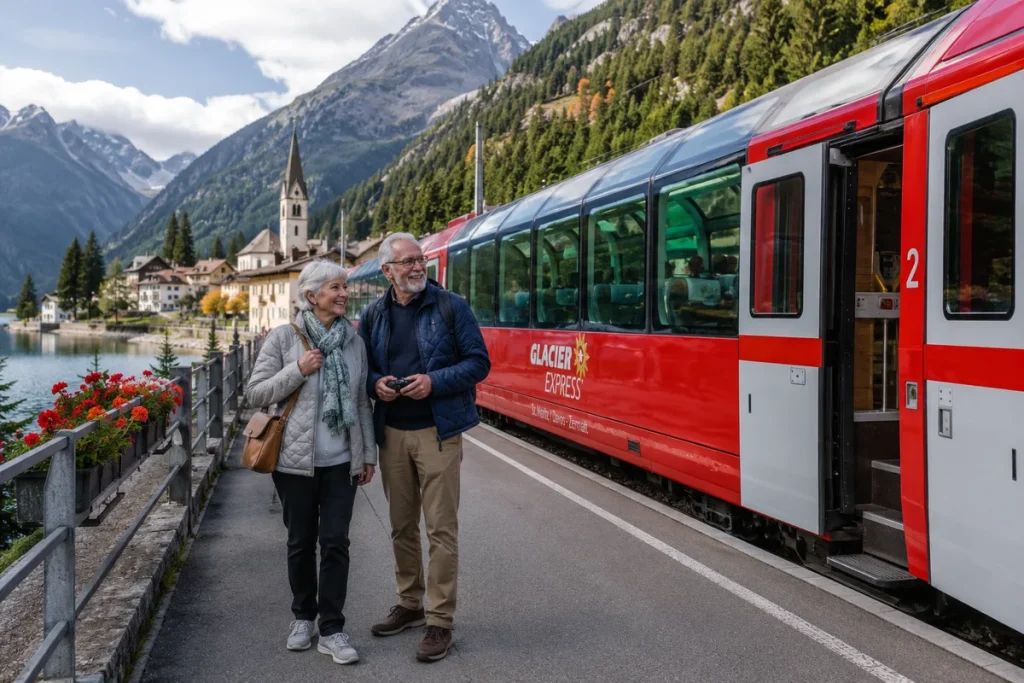
Traveling by rail can connect culturally distinct cities and regions while making the changing landscape and sense of place part of the journey itself.
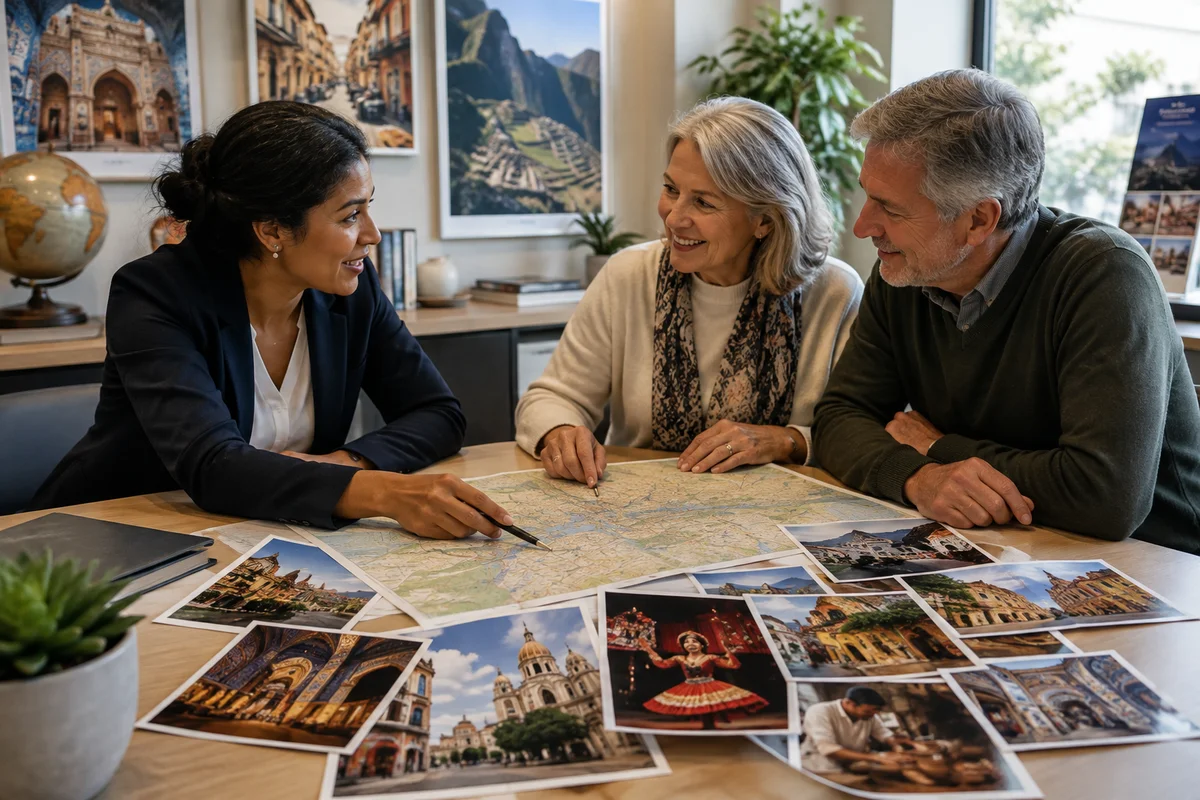
A to Z Travel Center can help you look beyond the obvious attractions and identify the cultural experiences that best match your interests, pace, and destination – from historic neighborhoods and museums to performances, local traditions, and regional heritage.
Cultural travel can include historic neighborhoods, museums, architecture, sacred sites, traditional crafts, live performances, local customs, markets, heritage sites, and opportunities to better understand everyday life in a destination.
No. Many can be enjoyed independently, especially museums, historic districts, markets, and public spaces. A knowledgeable guide can be especially valuable when deeper historical, religious, artistic, or regional context would improve the experience.
Look for experiences that provide real context, respect local communities, and connect naturally to the destination’s history, traditions, arts, or daily life rather than relying on staged presentations created only for visitors.
Sometimes. Popular museums, performances, workshops, heritage sites, and special events may require advance reservations or timed entry, particularly during busy travel periods.
Pay attention to local customs, dress expectations, photography rules, sacred spaces, and community norms. The goal is to observe and participate with curiosity while respecting the people and places you are visiting.
Absolutely. Cultural experiences often pair naturally with rail journeys, city stays, food and culinary travel, cruises, resort vacations, and other types of travel without needing to become the sole focus of the trip.
Yes. Experiences can range from museums and performances to walking historic neighborhoods, visiting markets, attending workshops, or exploring archaeological sites. The right choices depend on mobility, interests, pace, and comfort level.
Yes. A to Z Travel Center can help identify destinations and experiences that fit your interests, coordinate them with the rest of your itinerary, and account for timing, reservations, transportation, and other practical details.