Home » Travel Inspiration » Food & Culinary Travel
Markets, regional specialties, cooking traditions, and local dining can reveal how a place lives, gathers, and celebrates.
Food reveals a place through its ingredients, traditions, people, and everyday routines. Some of the most memorable culinary experiences happen long before a meal reaches the table.

Food markets reveal what grows nearby, what is in season, and what local cooks actually use. They are often one of the fastest ways to understand the flavors and rhythms of a region.

Bakeries, farms, workshops, kitchens, and small producers can show the skill behind regional specialties, from bread and cheese to olive oil, chocolate, pasta, and more.
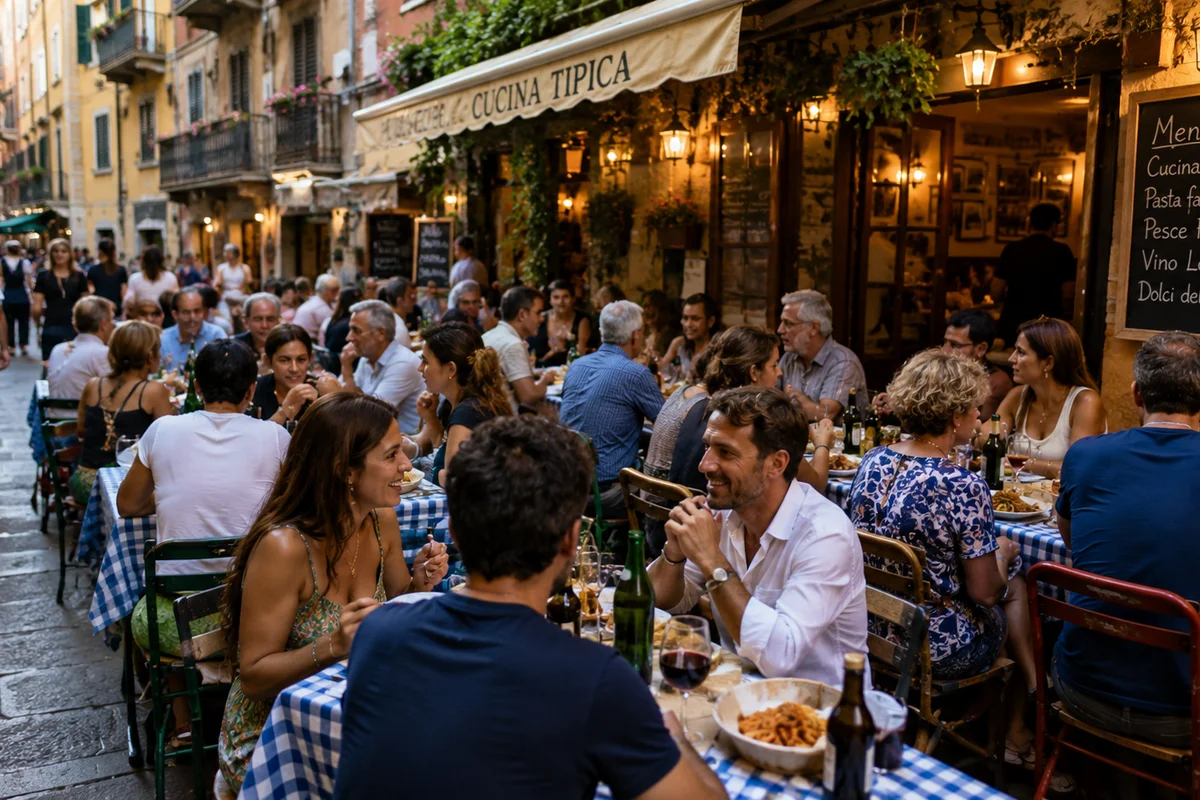
How people gather around food can be as revealing as the dishes themselves. Neighborhood restaurants, cafés, food stalls, and shared tables reflect the social side of a destination.
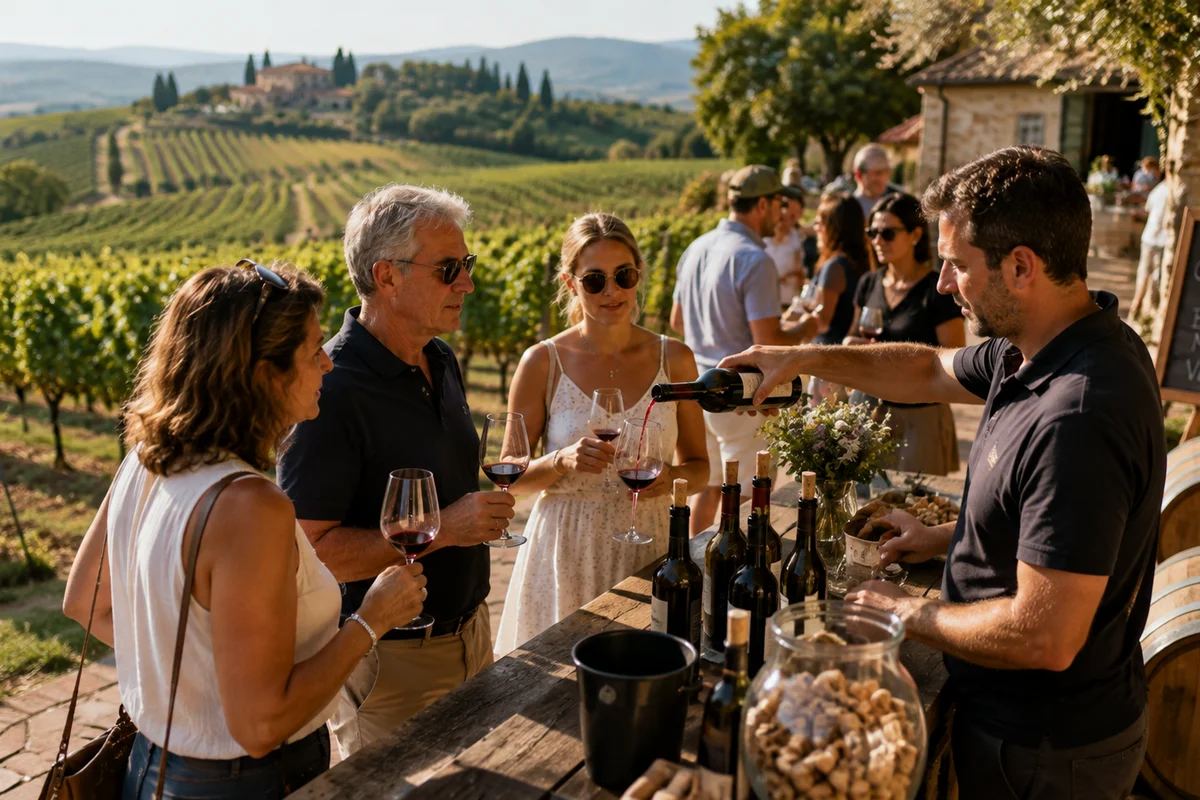
Vineyards, wineries, breweries, coffee traditions, tea culture, and other regional beverages often connect directly to local agriculture, history, and craftsmanship.
From street food and neighborhood markets to wine country and hands-on cooking, culinary travel can take very different forms depending on where you go and what you want to experience.
Bouchons, Markets & Rhône Valley Flavors
Traditional bouchons, renowned food markets, regional cheeses, charcuterie, and nearby wine country make Lyon a strong example of cuisine shaped by both city traditions and its surrounding region.
Hawker Stalls & Multicultural Cuisine
Malay, Chinese, and Indian influences come together in busy hawker centers and neighborhood food stalls, creating a culinary landscape built around migration, community, and generations of shared traditions.
Bread, Wine & Georgian Hospitality
Clay-oven bread, dumplings, shared dishes, ancient winemaking traditions, and generous table customs reveal how closely food and hospitality are connected in Georgian life.
Markets, Seafood & Port Wine
Atlantic seafood, neighborhood markets, traditional dishes, and the historic port-wine cellars across the Douro create a food experience closely connected to both the city and its river valley.
Lowcountry Ingredients & Coastal Traditions
Seafood, rice, seasonal produce, and deeply rooted Lowcountry cooking show how geography, agriculture, and generations of cultural influence can shape a distinctive regional cuisine.
Vineyards, Farms & Coastal Produce
Wine estates, farm producers, artisan foods, and ingredients from the nearby coast make Margaret River a culinary destination where food, wine, agriculture, and landscape naturally come together.
Markets, street food, wine country, regional cooking, and neighborhood dining can each shape a trip in a completely different way.
Regional cuisine reflects far more than taste. Ingredients, preparation, traditions, and shared meals can reveal how geography, history, agriculture, and community have shaped everyday life.
Climate, soil, coastlines, farms, and growing seasons influence what a region produces and how its food traditions developed.
Markets, farms, fisheries, vineyards, and local producers can connect what you eat directly to the people and places responsible for it.
Recipes often carry the influence of migration, trade, scarcity, prosperity, and generations of adaptation, making food a tangible expression of regional history.
Shared meals, café culture, market routines, and dining customs reveal how food fits into family life, friendship, celebration, and everyday community.
The best food experiences often depend on timing, access, local customs, and a little flexibility. Knowing what to expect can make markets, tastings, classes, and regional dining far more rewarding.
Market schedules, harvest periods, seasonal ingredients, and local festivals can dramatically affect what is available and what you are able to experience.
Popular restaurants, winery tastings, cooking classes, and small-group culinary experiences may require reservations well before you arrive.
Food allergies, dietary restrictions, and ingredient sensitivities may be handled very differently from one destination to another, so advance communication can matter.
Meal times, tipping, shared dishes, ordering styles, and table customs vary widely and can shape how comfortable and enjoyable the experience feels.
Too many reservations can make a trip feel rigid. Leave room between planned experiences for neighborhood cafés, markets, bakeries, and unexpected discoveries.
The strongest culinary experiences connect naturally to the destination rather than becoming isolated activities. Food should deepen the journey, not take it over.
Food often becomes the starting point for discovering more of a destination – its culture, cities, regions, traditions, and the kinds of trips that bring those experiences together.
Food traditions are only one part of a place’s identity. Explore the history, arts, craftsmanship, architecture, and everyday customs that give destinations their deeper character.
Historic neighborhoods, public markets, cafés, bakeries, and regional dining traditions make many European cities especially rewarding for travelers who like to explore through food.
Look beyond a single region and discover destinations around the world where cuisine, agriculture, local traditions, and everyday life come together in distinctly different ways.
Not sure where food fits into the bigger trip? Explore different travel styles and interests to see how culinary experiences can complement the kind of journey you want to take.
A to Z Travel Center can help work meaningful food experiences into the larger journey – from markets and regional specialties to wine country, cooking traditions, and memorable local dining that fits naturally with where you are going.
Food and culinary travel can include local markets, regional restaurants, street food, cooking classes, wineries, farms, bakeries, food producers, tastings, and other experiences that help travelers understand a destination through its food traditions.
No. Some of the most memorable experiences happen in markets, farms, vineyards, kitchens, bakeries, fishing communities, and workshops where travelers can see how regional ingredients and specialties are produced.
Often, yes, but accommodations vary by destination and type of experience. Food allergies, ingredient sensitivities, and dietary restrictions are worth discussing in advance when meals, tastings, or cooking activities are an important part of the trip.
Popular restaurants, winery tastings, cooking classes, and small-group experiences may require advance reservations, while markets, cafés, and neighborhood dining often leave more room for spontaneous exploration.
Culinary experiences can be worked naturally into sightseeing, rail journeys, city stays, wine regions, and broader vacations so food adds depth to the destination without dominating the itinerary.
They can be. Markets and food stalls often provide a close look at regional ingredients, preparation methods, and everyday eating habits, especially when approached with reasonable attention to cleanliness and local conditions.
Yes. Experiences can range from relaxed meals and market visits to walking tours, farm visits, cooking classes, and vineyard excursions, allowing the pace and activity level to match the traveler.
Yes. A to Z Travel Center can incorporate food markets, regional specialties, wine regions, cooking experiences, and local dining into a broader itinerary while balancing them with the other destinations and activities you want to experience.